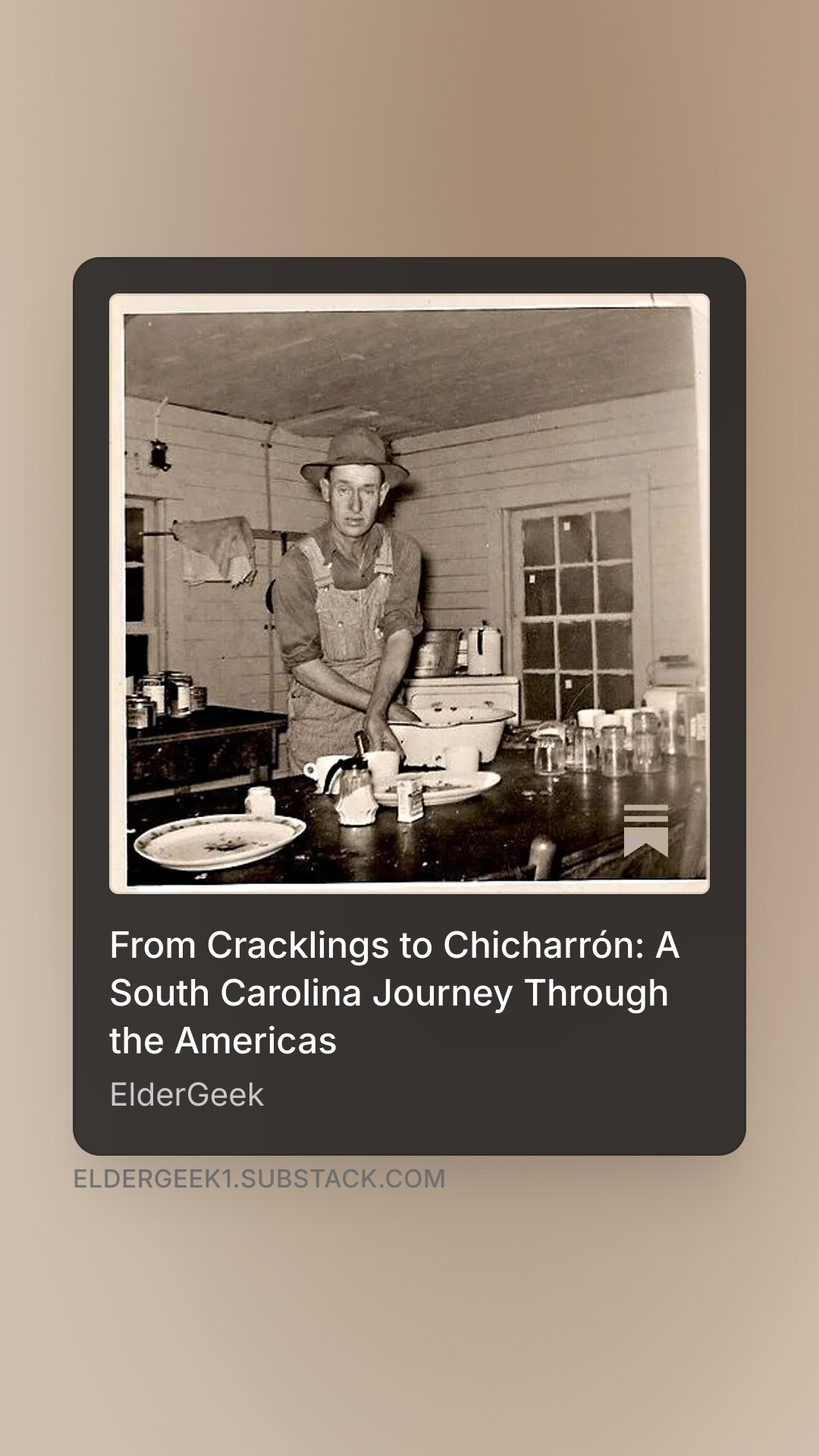
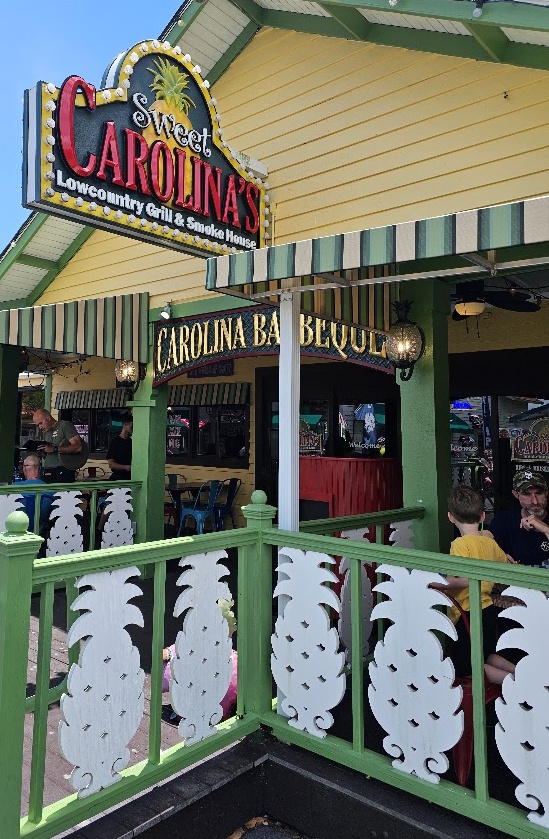
As America marks its 250th year, it is easy to think of history through wars, presidents, dates, and monuments. But history also lives in kitchens, smokehouses, gardens, family tables, and the old ways people fed one another.
Long before pork belly became trendy restaurant food, families across coastal South Carolina were raising hogs, curing hams, rendering lard, frying cracklings, salting fatback, cooking side meat, and stretching one animal into months of meals.
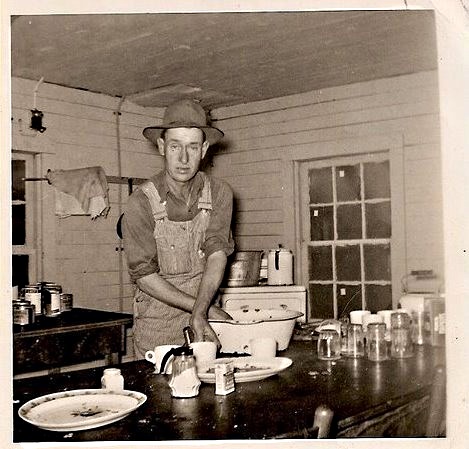
Before we talk about pork belly, cracklings, chicharrón, or any of the dozens of pork dishes found throughout the Americas, I want to tell you about my grandfather, Kemp Tyler.
Growing up in the 1970s, some of my fondest memories were made at Granddaddy’s place, located on the road behind the old Holiday mansions near Highway 501 before the bridge. Back then, family wasn’t something you visited once or twice a year. Family was where you lived.
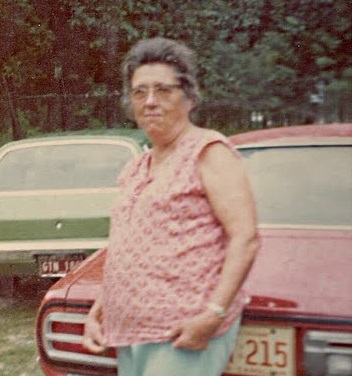
My cousins were my first friends. Every Sunday, the family
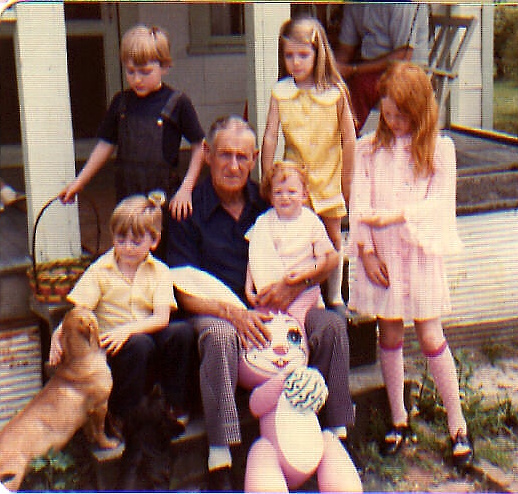
gathered at Granddaddy’s house. Aunt Minnie lived down the road. Mildred Altman lived nearby. Ellen Jones was close by as well. More relatives lived farther down the road, close enough to reach by bicycle. Aunts, uncles, cousins, great-aunts, and great-uncles formed a community that stretched across the countryside.
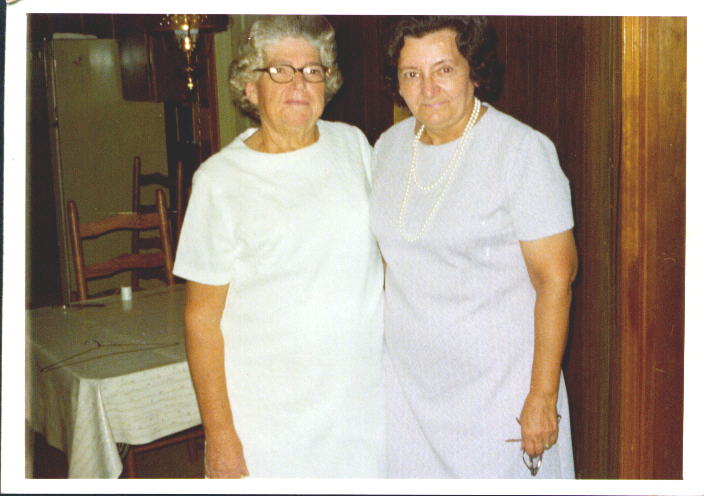
Sunday dinner wasn’t an event. It was simply what we did.
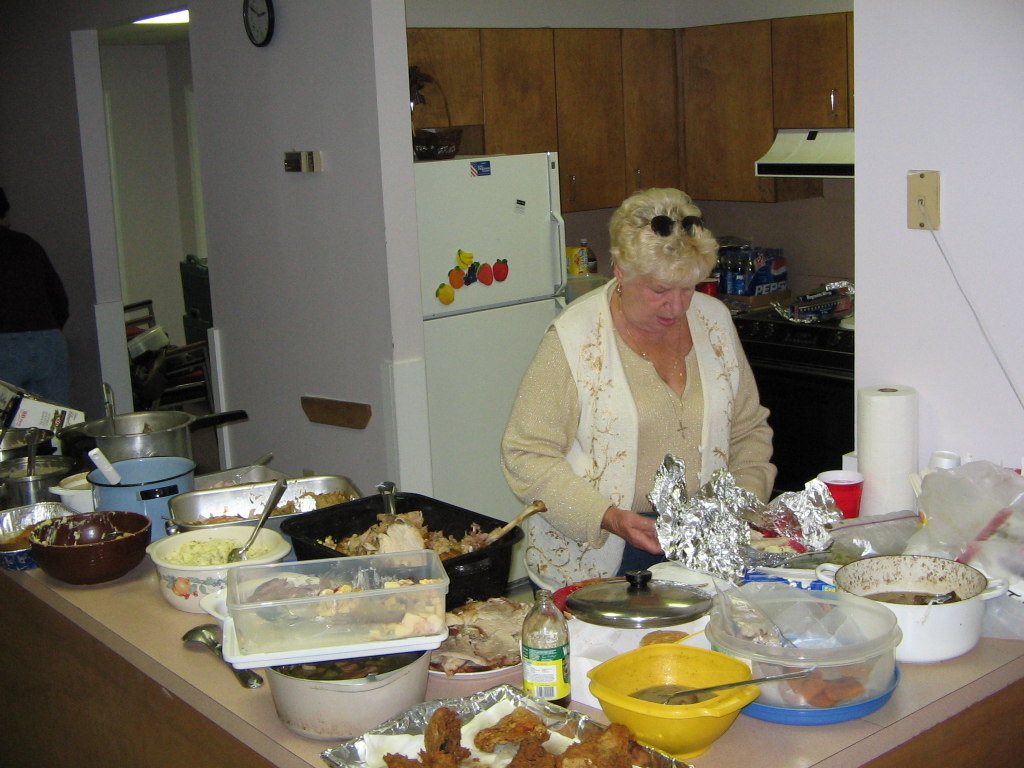
Granddaddy lived much the way he always had. There was a smokehouse on the property. Every year he made wine from wild grapes in large barrels. Gardens were common. Freezers were full. Family recipes were passed from one generation to the next around kitchen tables instead of on websites.
Granddaddy’s house had a smell all its own.
It was a country house where the living room, dining room, and kitchen flowed together as one large space. Decades of cooking had settled into the walls. There was the smell of food, coffee, and family gatherings mixed with the scent of Winston cigarettes and, occasionally, pipe tobacco.
Even today, certain smells can take me right back to that house.
When I think about Granddaddy’s place, I don’t just remember how it looked.
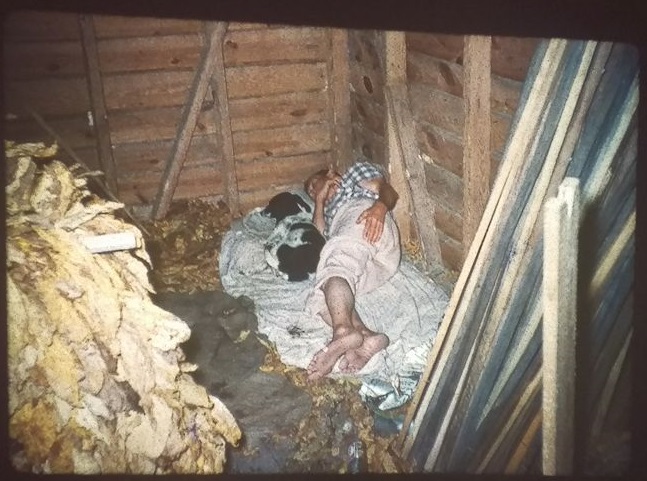
I remember how it smelled.
Arnold
One of the constants of those gatherings was a hog named Arnold.
Every spring, a piglet arrived on the farm. Every spring, it received the same name: Arnold. We watched Arnold grow through the summer. We checked on him during Sunday dinners, Easter gatherings, and family visits. To those of us raised in the country, there was nothing unusual about it.
Some of the city cousins saw things differently.
They thought Arnold was a pet.
Those of us who grew up in the country understood that Arnold had a very important appointment scheduled for Thanksgiving.
Arnold lived a good life. He was well fed, well cared for, and he served the same purpose generations of Southern farm hogs had served before him: feeding a family.
When Thanksgiving arrived, so did hog-killing season.
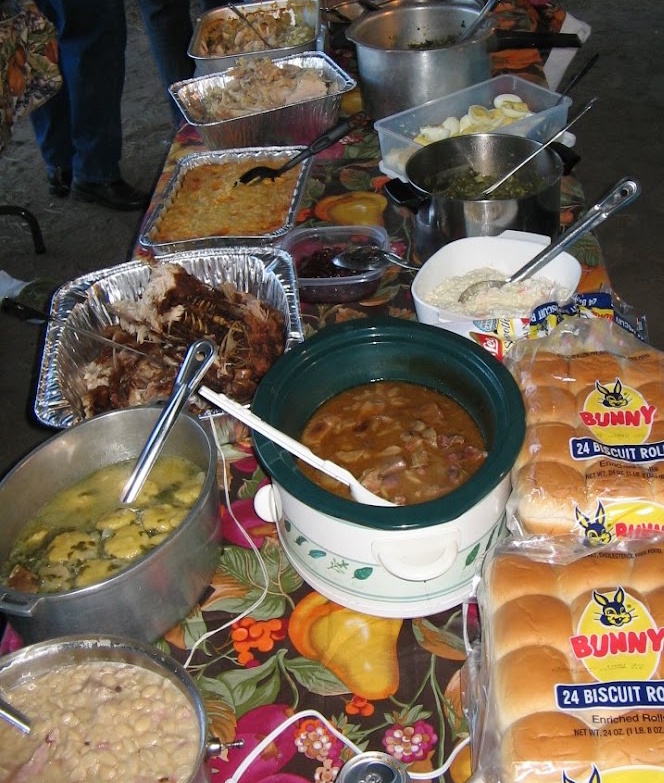
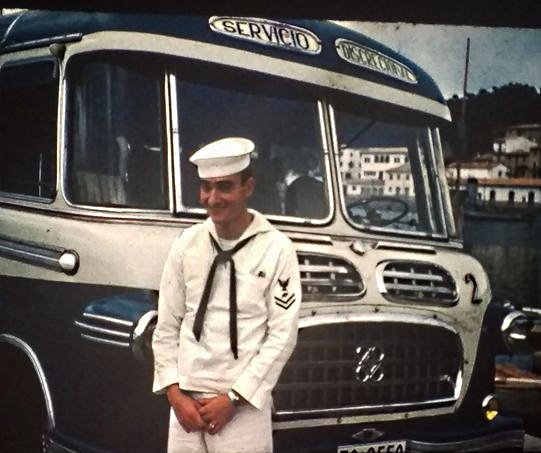
My father, Paul Tyler, a Navy veteran, and his brother John Tyler were the men I most remember handling the butchering. They certainly weren’t the only ones helping. Family members pitched in wherever needed, and different relatives took on different jobs. But when I think back to those days, Paul and John are the faces I most associate with the work.
My memory is of the hog being hung from a tree and carefully processed. The carcass had to be cleaned thoroughly. Hair was removed by singeing the skin over a fire. Everything had to be washed and prepared correctly.
This wasn’t something people learned from books.
These were skills passed from one generation to the next.
The hams were cured. Sausage was made. Fat was rendered into lard. Cracklings were saved for snacking and crackling bread. Head cheese, liver pudding, souse, country ham, chitlins, pig’s feet, Scrapple, and countless other dishes found their way onto Southern tables.
One thing many people don’t realize is that even when families used nearly every part of a hog, there was still cleanup afterward.
I remember a deep pit being dug where the unusable remains were buried. Anything that wasn’t going to be eaten, rendered, fed to animals, or otherwise used was placed in the hole and covered. The goal was simple: keep scavengers from digging it back up and keep the farm clean.
Hog killing wasn’t just about food.
It was a full-day operation involving slaughtering, cleaning, butchering, preserving, cooking, rendering, and cleanup. Every step had been refined through generations of experience.
The older I get, the more I appreciate how little was wasted by previous generations.
I remember my Aunt Lois, my father’s sister, cooking a pot of greens with a pig’s lower jaw. To modern ears that may sound unusual, but to families raised on farms it was simply another way to extract flavor from a part of the animal that others might discard. After the greens were cooked, she would pull the teeth from the jaw and work every last bit of flavor from around them.

That philosophy shaped Southern cooking for generations.
A hog wasn’t just bacon or pork chops. It was sausage, cracklings, lard, country ham, head cheese, liver pudding, souse, chitlins, pig’s feet, jowls, ears, skin, bones, and stock. Every part had value.
Every part could feed somebody.
The Smell of Smoke
The smokehouse was something special.
Even as a child, I remember walking into it for no particular reason other than wanting to be there. Sometimes there wasn’t anything I needed. Sometimes there wasn’t anything happening at all. But the smell was unforgettable.
Years later, after spending time around barbecue pits and smokers, I realized what I was remembering. It was the smell of wood smoke, cured meat, and generations of cooking.
It smelled like my grandparents.
Barbecue was a serious affair in our family.
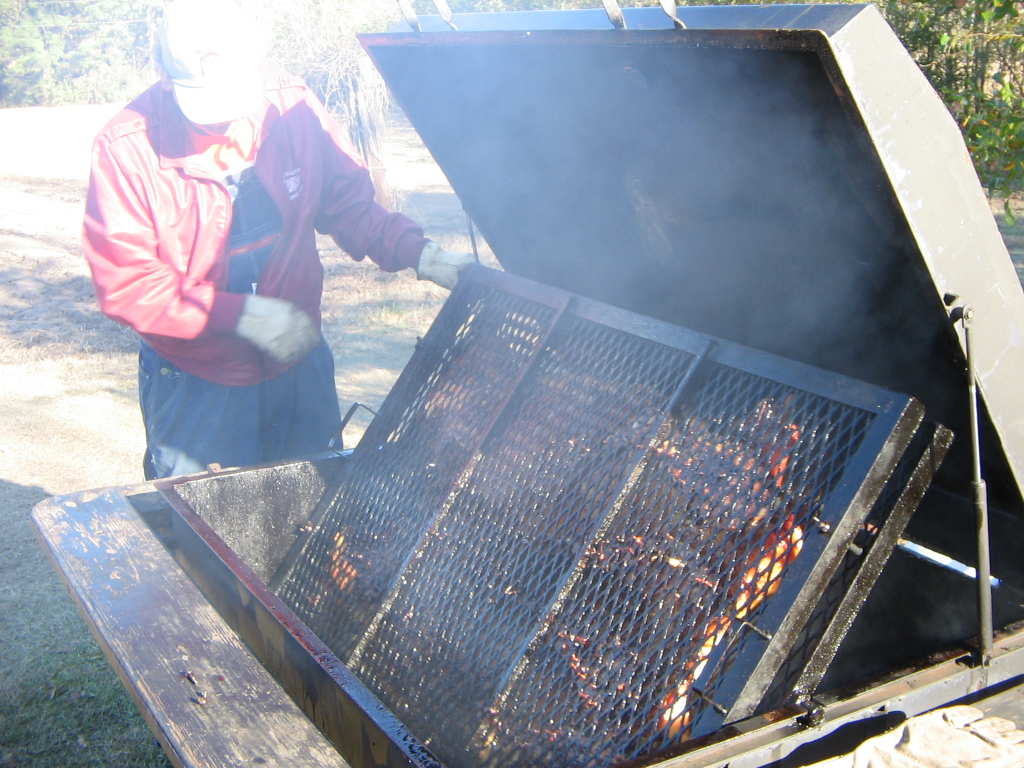
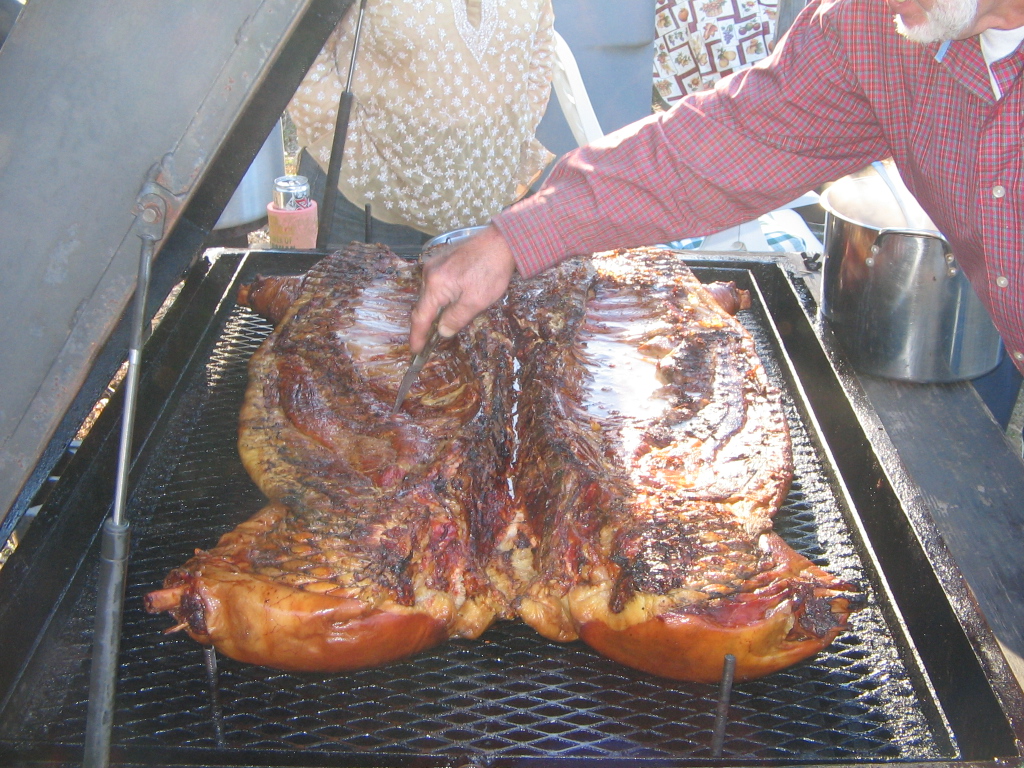
Long before pellet grills and digital thermometers, cooking barbecue meant building a fire before daylight. Wood was burned down into coals and embers. Those embers were carefully moved beneath the hog. The cooking started before sunrise and often continued until late afternoon.
An entire day revolved around the process.
People stopped by.
Relatives gathered.
Stories were told.
Everybody checked on the pig.
One of the most prized pieces wasn’t a fancy cut at all. After the hog was split open for cooking, there were long strips of meat that ran along the edges. They were tender, smoky, and full of flavor. To this day, I can remember how much we looked forward to those pieces.
Like many Southern families, barbecue came with opinions.
My father and Uncle John each had their own barbecue sauce. Both were convinced theirs was better. Years later, if I’m being honest, I may have preferred Woodrow Richardson’s sauce. It had a little more twang to it.
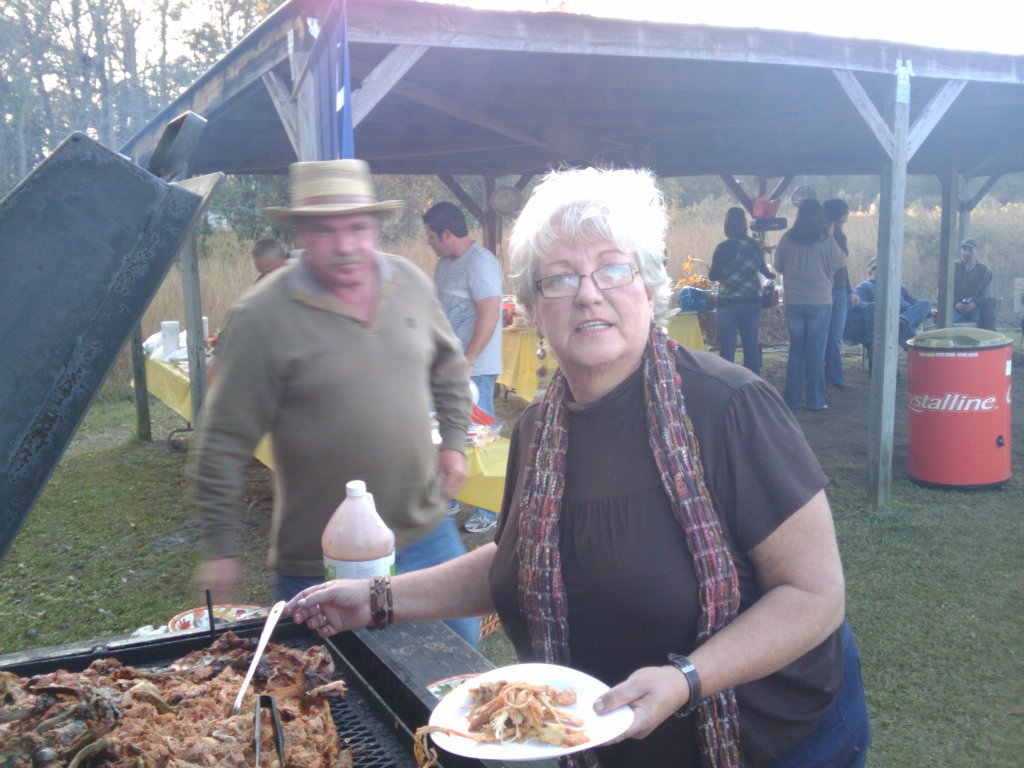
Some arguments don’t need to be settled.
They’re part of the tradition.
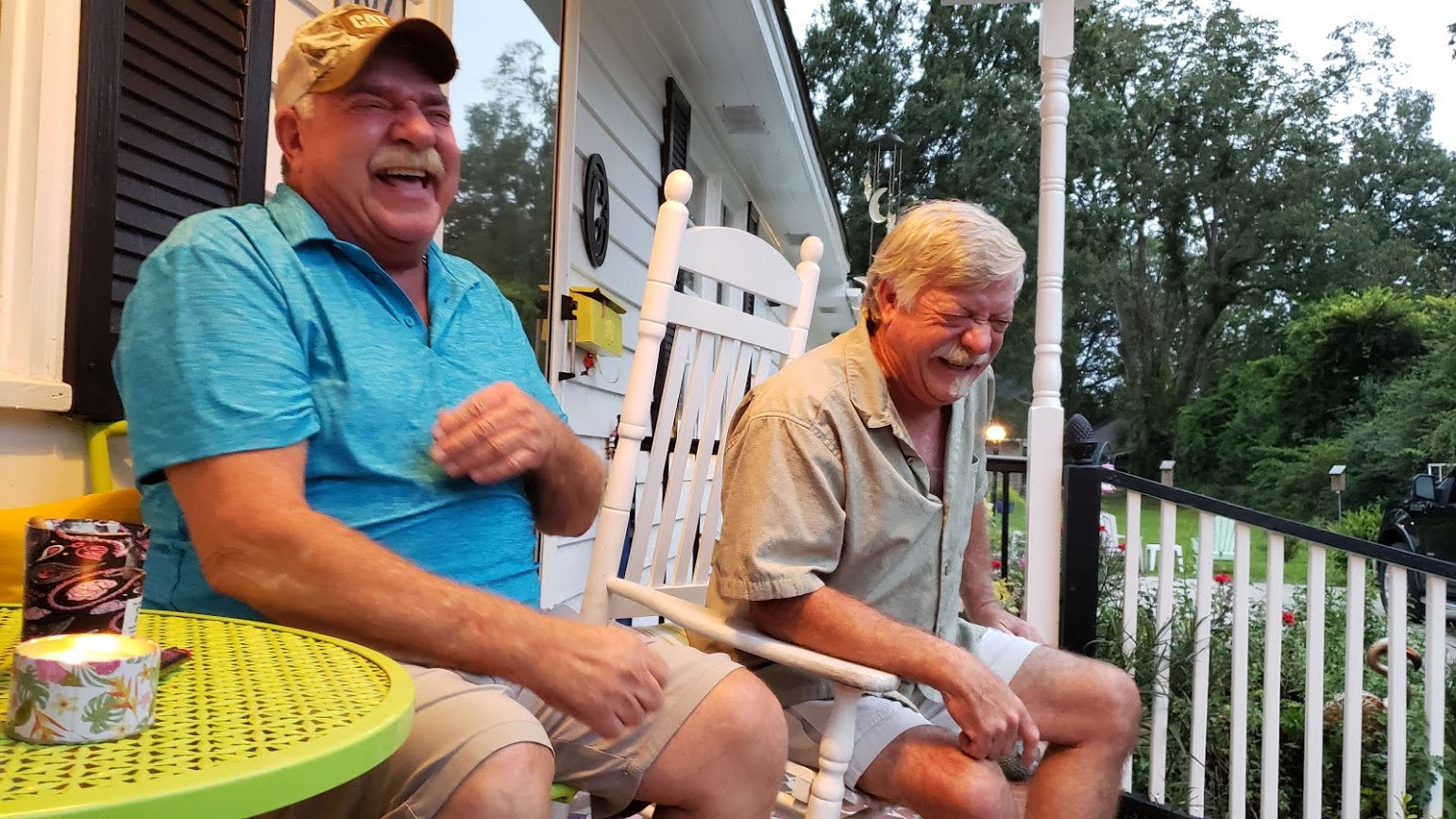
After Granddaddy passed, the gathering place changed, but the tradition did not disappear. My cousin Sheila Richardson and her husband, Woodrow Richardson, became central figures in many of our family gatherings, especially Thanksgiving.
Their home sits out in the country, with ponds, open land, and room for family to gather. Some of our finest memories in the next generation were made there.
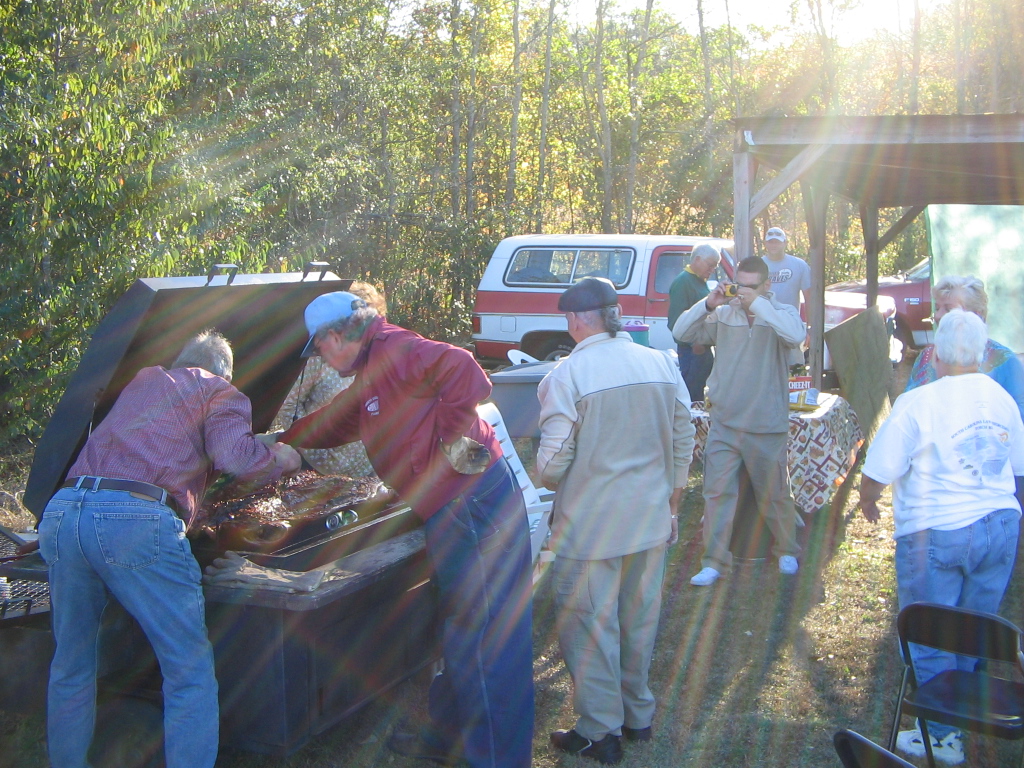
Woodrow no longer cooks hogs the way he once did, but for many years he helped carry the tradition forward. My cousins Jack Benny and René are also part of the family line that helped keep old traditions alive. Benny, in particular, remains one of the people I associate with excellent whole-hog cooking today.
That is how traditions survive.
Not frozen in one place.
Not locked to one person.
They move from house to house, table to table, generation to generation.
The Pee Dee’s Pork Tradition
What happened at my grandfather Kemp Tyler’s place wasn’t unusual for rural South Carolina. It was part of a food tradition that had been growing for centuries across the Pee Dee.
The old map names matter because they remind us that Horry County and Marion County did not always exist the way we know them today. The story runs through Prince George Winyah Parish, Georgetown District, Liberty County, Marion District, and eventually into the communities we now call Horry and Marion.
The Great Pee Dee River and its tributaries shaped settlement, farming, trade, and food. Before highways and refrigerated trucks, rivers connected inland communities to the coast. Families lived near waterways, forests, swamps, and bottomlands. They hunted, farmed, fished, raised animals, and learned how to make food last.
The Pee Dee’s food traditions emerged from a blend of cultures.
Native peoples contributed knowledge of the land and its resources. European settlers brought livestock, smokehouses, and preservation techniques. Enslaved people and their descendants contributed agricultural knowledge, cooking methods, and food traditions that became woven into Southern cuisine.
Over generations, these influences blended together.
The result was not the food of any single group.
It became Southern food.
Rice offers one of the clearest examples. For much of South Carolina’s colonial history, rice shaped the Lowcountry and Georgetown region. Where rice was common, pork was never far away. Salt pork flavored pots of rice. Fatback seasoned greens. Side meat, sausage, and smoked hams fed families through the year.
Pork was practical because hogs fit the Southern landscape.
They could forage in woods, swamps, fields, and river bottoms. They could turn acorns, roots, scraps, and waste into meat and fat. Compared with some other livestock, hogs required less pasture and could provide an impressive return for a family trying to survive.
The Southern hog was not just livestock.
It was food security.
The Spanish Hog That Changed the South
One of the great ironies of Southern food is that one of its most iconic animals is not native to North America.
Hogs were brought to the Americas by Europeans, including the Spanish, beginning in the 1500s. In coastal South Carolina, wild hogs have been present for centuries, with early populations tied to Spanish introduction. Some animals escaped. Some were released. Many adapted.

The forests, swamps, and river floodplains of the Southeast suited them well.
Native peoples had lived here for thousands of years before hogs entered the story. They hunted deer, bear, turkey, fish, shellfish, and other native foods. Hogs came later, but once they became established, they were recognized as a valuable source of meat and fat.
English settlers also understood their value. By the colonial period, hogs were common enough that pork became part of the diet and economy of South Carolina. Families allowed hogs to range and forage, then collected them when needed.
By the time families like mine were raising hogs in the 1970s, pork had been woven so deeply into Southern life that it felt ancient.
But it had a beginning.
A Spanish-introduced animal became a Southern staple.
A practical livestock choice became a food tradition.
And eventually, in houses like Kemp Tyler’s, that tradition showed up as Arnold.
The Hog That Fed the Family All Year
The hog killing itself was only one day, but the food from that hog lasted far beyond the day Arnold became dinner.
That is something modern readers may miss.
A hog wasn’t just the main course.
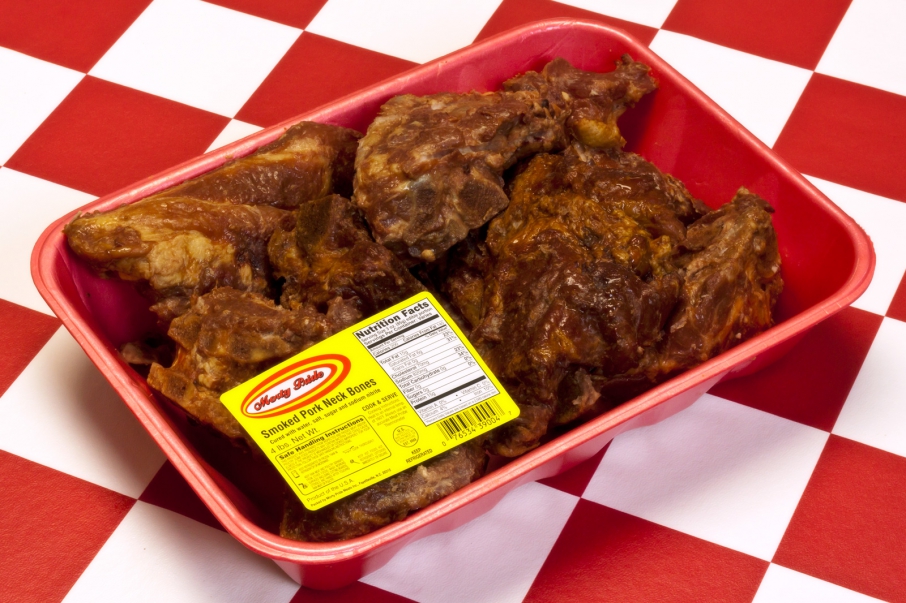
A hog seasoned the pantry.
Country ham could hang and cure. Sausage could be made and saved. Lard could be stored and used for frying, baking, biscuits, pie crusts, vegetables, and cornbread. Salt pork and fatback could season pots of beans, peas, greens, rice, and stews.
Fatback deserves special mention because it is not the same thing as pork belly.
Pork belly is the fresh underside of the hog, layered with fat and meat. It is the cut many restaurants now turn into crispy pork belly, chicharrón, or bacon.
Fatback comes from the back of the hog. In Southern cooking it was often salt-cured for preservation and used mostly as seasoning meat or cooking fat. It could be very salty, so families often soaked it before cooking. That soaking water, already carrying salt and pork flavor, might find its way into rice, beans, peas, or bread.
Even the salt had value.
Salt pork is another related but different ingredient. It often comes from the belly or side and is heavily salted. Like fatback, it was useful because it could last. It seasoned food long after fresh meat would have spoiled.
Then there were cracklings.
Cracklings were often born from rendering lard. As fat cooked down, the leftover pieces of skin, fat, and attached meat became crisp. Today people may think of cracklings as the prize, but historically the lard was often the goal.
The cracklings were the bonus.
And what a bonus they were.
They were eaten as snacks, stirred into cornbread, or ground up and added to make crackling bread. In families like mine, crackling bread was part of hog-killing season. It was rich, savory, and unmistakably Southern.
The hog flavored everything.
Greens.
Beans.
Peas.
Rice.
Cornbread.
Stews.
Breakfast.
Supper.
Sunday dinner.
Holiday tables.
A single hog could touch meals for months.
That was the real genius of it.
Before Refrigeration, Fat Was Technology
Today, most people think of fat as an ingredient.
For our ancestors, fat was technology.
Before refrigerators, freezers, vacuum sealers, and electric smokehouses, families faced a simple problem: food spoiled. If you wanted meat to last beyond the day it was harvested, you needed salt, smoke, cool weather, careful storage, or fat.
Rendered lard was one of the most valuable tools a family had.
Large pieces of hog fat were slowly heated until the clean fat melted away. The liquid lard was strained and stored. It became cooking oil, baking fat, frying fat, and a dependable source of calories.
But fat could also help preserve food.
Cooked meat placed in a crock and covered with melted lard was protected from air when the fat cooled and hardened. That layer created a seal. It wasn’t modern refrigeration, but it was a practical way to extend the life of food.
Across Europe and the Americas, people used versions of this idea. Meat could be packed under fat. Sausage could be stored beneath fat. Pork could be cooked slowly in its own fat and held longer because the fat helped protect it.
What looked like a bucket of grease was actually food storage.

A smokehouse worked the same way in spirit. It wasn’t decorative. It was infrastructure.
Hams hanging in a smokehouse were not rustic scenery.
They were survival.
I’ve Seen This Before
For most of my life, I thought of the foods I grew up with as Southern foods.
Cracklings were Southern.
Crackling bread was Southern.
Whole-hog barbecue was Southern.
Fatback, salt pork, country ham, liver pudding, head cheese, and souse were Southern.
And they are.
But they’re also part of a much larger story.
The realization didn’t happen in a history book or a museum.
It happened in a restaurant.
Because of my work, I spend a lot of time traveling throughout South Carolina, North Carolina, and Georgia. Most days, I’m in restaurants. I meet owners, cooks, servers, managers, and customers from all kinds of backgrounds. Over the years, that exposure has introduced me to foods I never encountered growing up.
When I was a kid, there weren’t Dominican restaurants around every corner.
There weren’t Cuban restaurants in every city.
There weren’t Brazilian steakhouses, Honduran restaurants, or Puerto Rican food trucks scattered throughout the region.
Today, that’s changing.
As more people bring their food traditions to the South, all of us benefit. We get the opportunity to experience dishes that might have been completely unknown to previous generations.
One of those dishes was Dominican chicharrón.
The first time I ordered it, I expected something entirely different from the foods I knew.
Instead, I found something strangely familiar.
The crispy skin.
The rendered fat.
The contrast between crunchy and tender.
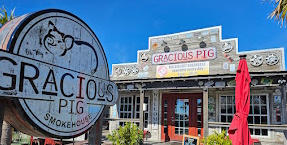
The satisfaction that comes from transforming a humble cut of meat into something memorable.
I wasn’t eating South Carolina cracklings.
But I understood them immediately.
That experience sent me looking for answers.
The Great Pork Belly Family Tree
The more I explored, the more connections I found.
Across the Americas, pork skin, pork fat, pork belly, side meat, and cured pork developed into dishes with different names, different seasonings, and different personalities.
South Carolina has cracklings and crackling bread.
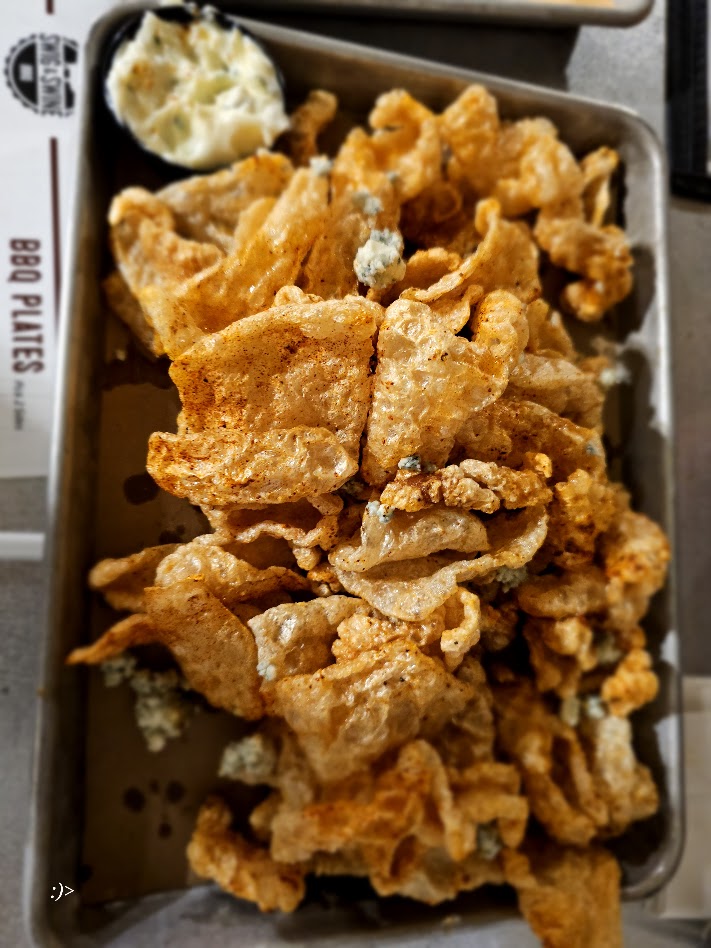
The Dominican Republic has chicharrón.
Cuba has chicharrones de puerco.
Puerto Rico has chicharrón de cerdo.
Honduras serves chicharrón with yuca.
Nicaragua has its own beloved versions of chicharrón served in homes, markets, and roadside eateries.
Colombia serves dramatic strips of chicharrón alongside beans, rice, and arepas.
Brazil has torresmo.
Mexico has chicharrón and chicharrón prensado.
The Philippines, though not Latin America, belongs in this conversation because lechon kawali and crispy pata follow a similar love of crisp skin, tender meat, and careful preparation.
Some are crisp and dry.
Some are meaty.
Some are boiled first.
Some are fried directly.
Some are roasted.
Some are cooked slowly in fat.
Some are served with yuca, rice, beans, tortillas, lime, slaw, or sauces.
The country changes.
The plate changes.
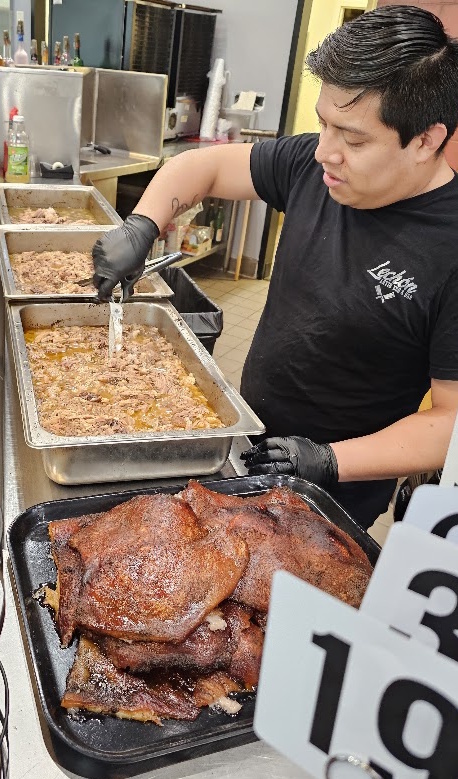
But if you grew up eating cracklings, fried side meat, or whole-hog barbecue in South Carolina, much of it feels familiar.
Not identical.
Familiar.
What I thought was a uniquely Southern story turned out to be part of a much larger American story—American in the sense of the Americas, stretching from South Carolina to the Caribbean and throughout Latin America.
The more I learned, the more I realized that a plate of Dominican chicharrón wasn’t introducing me to something completely new.
It was introducing me to distant cousins of foods I had known all my life.
South Carolina: Cracklings and Crackling Bread
For many Southerners, cracklings taste like hog-killing season.
They come from the old process of rendering lard. As the fat cooked down, the leftover pieces of skin, fat, and attached meat became crisp. They could be eaten fresh, salted, saved, reheated, or folded into cornbread.
Crackling bread is one of those foods that tells the truth about Southern cooking.
It is simple.
It is practical.
It uses what is available.
And it tastes far better than anything so humble has a right to taste.
Dominican Republic: Chicharrón
Dominican chicharrón is often made from pork belly or other fatty cuts with the skin attached. It celebrates the contrast between crispy skin, rendered fat, and tender meat.
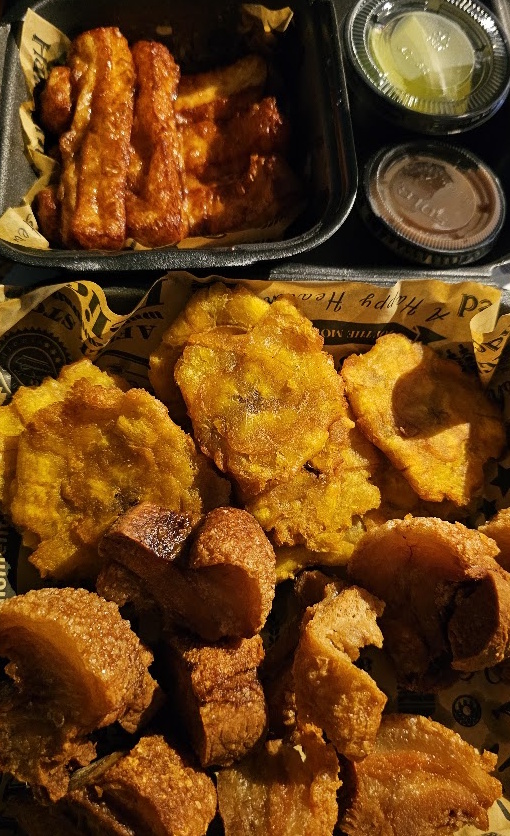
It is often served with yuca, lime, rice, or tostones.
This is the dish that started the whole journey for me. I expected something new and found something that reminded me of home.
Cuba: Chicharrones de Puerco
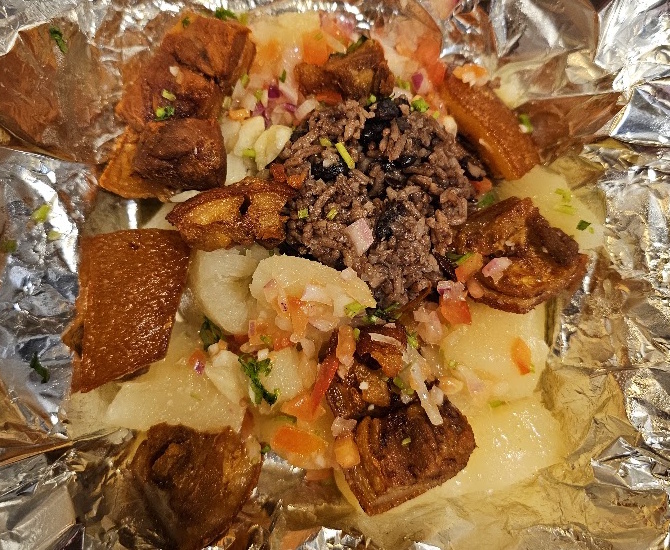
Cuban chicharrones de puerco often involve pork cooked in a way that renders the fat and crisps the outside. Some versions simmer or cook the pork first before frying, producing a tender interior and blistered exterior.
That boil-then-fry method reminded me of another famous dish from across the world: Filipino lechon kawali.
Different culture.
Different seasoning.
Similar respect for what happens when pork skin is cooked correctly.
Tropicana Bar and Grill a Cuban place in Myrtle Beach.
Puerto Rico: Chicharrón de Cerdo
Puerto Rican chicharrón de cerdo often highlights crispy skin and rich pork flavor. It appears in meals, gatherings, and celebrations, often alongside rice, beans, and other staples.
Like Southern cracklings, texture matters.
The crunch is part of the pleasure.
Nicaragua: Chicharrón Nicaragüense
Nicaragua shares many culinary traditions with its Central American neighbors, and chicharrón is no exception. Crispy pork appears in homes, markets, and roadside eateries throughout the country. Whether served with yuca, tortillas, cabbage slaw, or simple accompaniments, the appeal is easy to understand. To someone raised on Southern cracklings and fried side meat, Nicaragua’s love of crisp pork skin and richly flavored meat feels immediately familiar.
Honduras: Chicharrón with Yuca
In Honduras, chicharrón is commonly served with yuca, cabbage slaw, and sauces. The combination balances rich pork with starchy roots and fresh toppings.
To a Southerner, that combination is not hard to understand.
Rich meat needs something beside it.
We did the same thing with rice, peas, greens, cornbread, and beans.
Colombia: Chicharrón Colombiano
Colombian chicharrón is often served as large strips of pork belly with crispy skin and tender meat. It is a key part of meals that may include beans, rice, arepas, avocado, and plantains.
It looks dramatic on the plate.
But underneath the presentation is the same basic love of crisp pork skin and rich meat.
Venezuela: Chicharrón
Venezuelan chicharrón shares similarities with neighboring countries while keeping its own regional character. Depending on the cook and region, it may focus on skin, fat, belly, or meaty pork pieces.
It can be eaten as a snack or worked into a larger meal.
Brazil: Torresmo
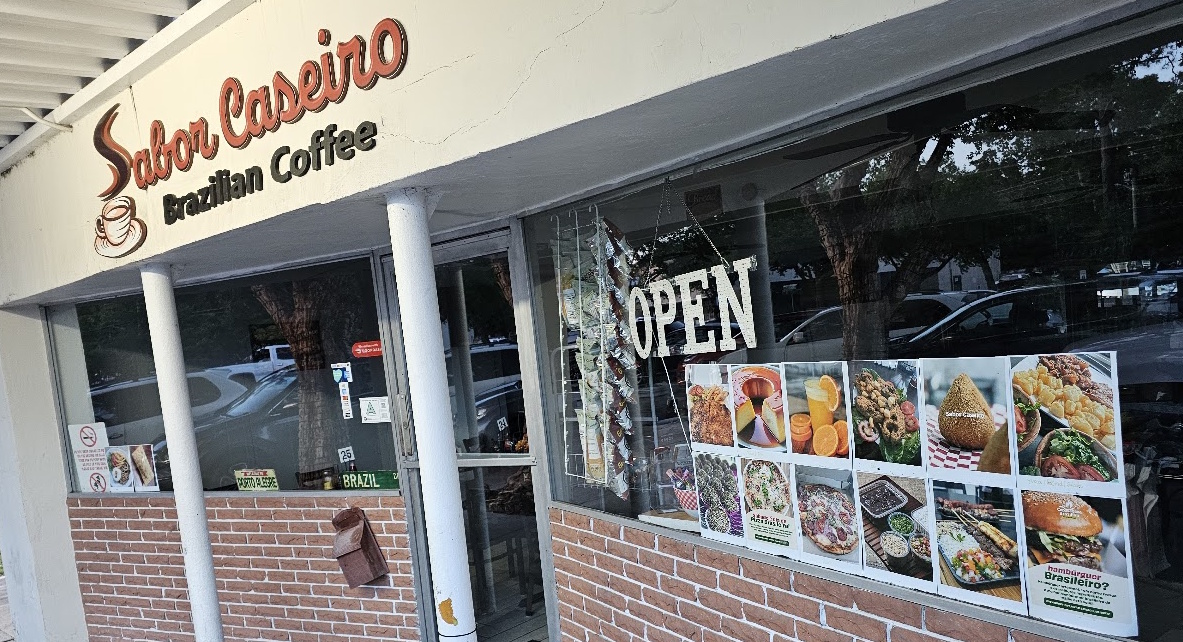
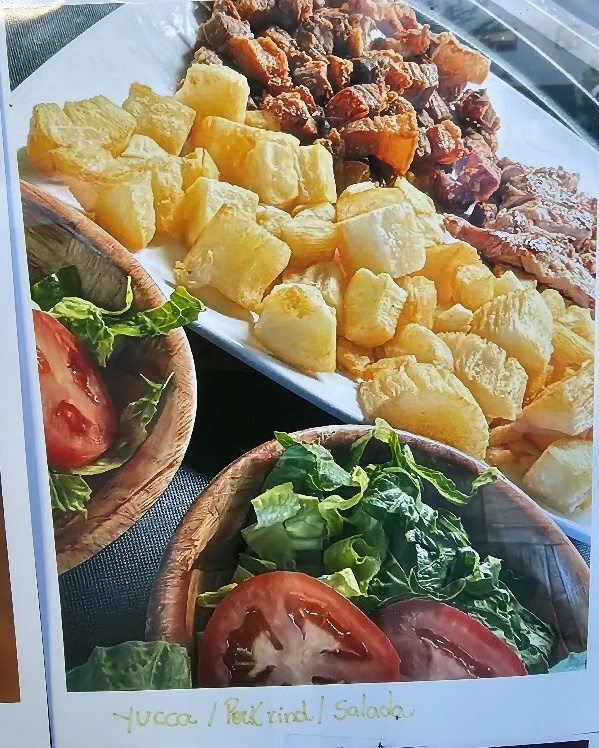
Brazilian torresmo may be one of the closest cousins to Southern cracklings.
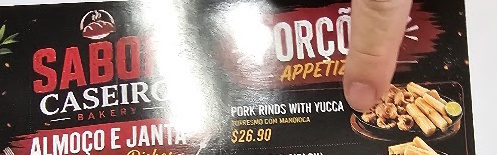
Made from pork skin, fat, and often attached meat, torresmo is fried until crisp and deeply flavorful. It is served as a snack, bar food, side dish, or part of a larger meal.
A South Carolinian tasting torresmo for the first time may not know the Portuguese word.
But the mouth understands.
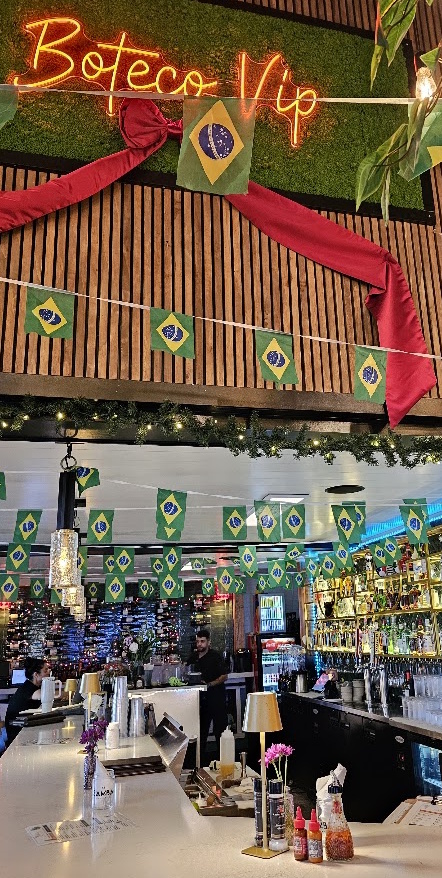
Bodeco VIP a Brazilian place in Myrtle Beach
Mexico: Chicharrón and Chicharrón Prensado
Mexico has several forms of chicharrón.
Some are light, crisp fried pork skin. Some include fat and meat. Chicharrón prensado is pressed pork skin, fat, and meat used in tacos, gorditas, stews, and fillings.
Mexico also makes excellent use of chicharrón in sauces.
Chicharrón en salsa verde turns crisp pork skin into a soft, flavorful dish simmered in green sauce. It shows another important point: fried pork does not always stay crispy. Sometimes it becomes an ingredient.
The Philippines: Lechon Kawali and Crispy Pata
The Philippines is not Latin America, but it belongs in this article because the pork traditions are too good to ignore.
Lechon kawali is often made by boiling pork belly, drying it, and frying it until the skin becomes shatteringly crisp. Crispy pata uses pork leg, simmered and then fried until the skin is crisp and the meat is tender.
When I learned that some Cuban pork dishes and Filipino lechon kawali share the idea of cooking first and frying later, it reminded me that technique can be just as important as seasoning.
Sometimes the road to crispy pork is direct.
Sometimes it takes patience.
Cooking Methods: Many Roads to Crispy Pork
One thing that separates these dishes is the method.
Some pork is fried directly.
Some is boiled or simmered first.
Some is roasted before crisping.
Some is cooked slowly in its own fat.
Some is dried before frying.
Some is cooked over wood and coals.
In South Carolina barbecue, the wood-fire method matters. The fire is built separately, burned down, and the coals are moved under the meat. That process takes all day and cannot be rushed.
In Cuban and Filipino dishes, boiling or simmering first can tenderize the meat and prepare the skin for frying.
In Brazilian torresmo, careful frying creates puffed, crisp pieces of pork.
In Dominican chicharrón, the balance of meat, fat, and skin is the whole point.
The method changes the final dish.
But in every case, the cook is working with the same basic animal and trying to get the best from it.
Pork in Beans, Greens, Rice, and Stews
Pork was not always the centerpiece.
Sometimes it was the flavor.
That may be one of the most important lessons in this whole article.
A piece of salt pork in a pot of beans could season the entire meal. Fatback could transform greens. A ham bone could flavor peas. A pig jaw could season a pot of greens. Cracklings could turn cornbread into crackling bread.
The same idea appears throughout the Americas.
Brazil has feijoada, a black bean stew traditionally associated with pork cuts.
The Dominican Republic and Puerto Rico have sancocho, hearty stews that may include pork among other meats and root vegetables.
Mexico has chicharrón en salsa verde.
Colombia serves beans with chicharrón.
Honduras serves yuca with chicharrón.
The pork may be crisp.
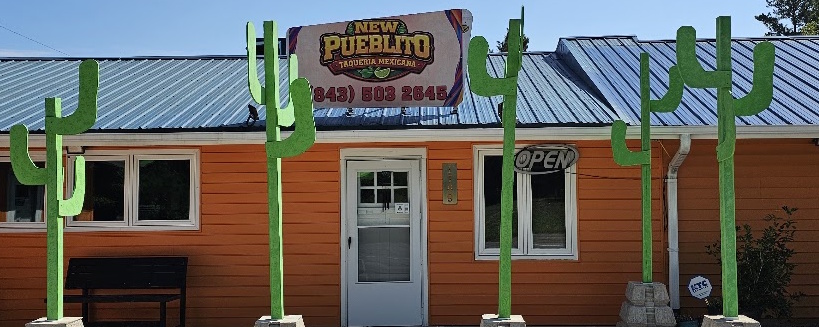
It may be soft. (Like New Pueblito Restaurante Loris SC, pork skin tacos. These aren’t the crispy style—they feature soft pork skin)
It may be smoky.
It may be salty.
It may be the main dish or the seasoning in the pot.
Either way, pork carries flavor.
That is something Southern cooks have always understood.
Pork Belly and Chicharrón Traditions Across the Americas
| Region / Country | Local Name | Primary Cut | Typical Method | Common Use |
|---|---|---|---|---|
| South Carolina | Cracklings | Skin, fat, attached meat | Rendered and fried | Snack, crackling bread |
| South Carolina | Salt Pork | Belly or side meat | Salt-cured | Beans, peas, greens, rice |
| South Carolina | Fatback | Back fat and skin | Salt-cured | Seasoning and cooking fat |
| Dominican Republic | Chicharrón | Pork belly or skin-on fatty pork | Fried until crisp | Served with yuca, lime, rice, or tostones |
| Cuba | Chicharrones de Puerco | Pork belly or fatty pork | Often simmered or rendered, then fried | Main dish or snack |
| Puerto Rico | Chicharrón de Cerdo | Pork belly and skin | Fried | Main dish, side, or snack |
| Puerto Rico | Cuajito | Pork stomach, not pork belly | Stewed or cooked until tender | Often served with traditional pork meals |
| Honduras | Chicharrón | Pork belly or fatty pork | Fried | Served with yuca, slaw, tortillas, or sauces |
| Colombia | Chicharrón Colombiano | Pork belly with skin | Deep-fried | Served with beans, rice, arepas, and plantains |
| Venezuela | Chicharrón | Pork belly or skin-on pork | Fried | Snack or meal component |
| Brazil | Torresmo | Skin, fat, attached meat | Fried until puffed and crisp | Snack, bar food, side dish |
| Mexico | Chicharrón | Pork skin | Fried | Snack, tacos, stews |
| Mexico | Chicharrón Prensado | Pressed pork skin, fat, and meat | Rendered and pressed | Tacos, gorditas, fillings |
| Philippines | Lechon Kawali | Pork belly | Boiled, dried, then fried | Main dish |
| Philippines | Crispy Pata | Pork leg with skin | Simmered, dried, then fried | Celebration dish |
Related Dishes Using Pork Fat, Cracklings, or Chicharrón
| Region | Dish | Description |
|---|---|---|
| South Carolina | Crackling Bread | Cornbread mixed with cracklings |
| South Carolina | Greens with Salt Pork or Fatback | Greens seasoned with cured pork |
| South Carolina | Rice or Beans with Salt Pork | Staple dishes seasoned with preserved pork |
| South Carolina | Country Ham | Salt-cured and often smoked ham |
| Dominican Republic | Sancocho | Hearty stew that may include pork |
| Puerto Rico | Sancocho Puertorriqueño | Root vegetable and meat stew |
| Brazil | Feijoada | Black bean stew traditionally associated with pork cuts |
| Mexico | Chicharrón en Salsa Verde | Chicharrón simmered in green sauce |
| Colombia | Frijoles con Chicharrón | Beans served with fried pork belly |
| Honduras | Yuca con Chicharrón | Yuca topped with crispy pork |
| Philippines | Monggo with Chicharon | Mung bean stew with crispy pork garnish |
The South Is Changing, and So Is the Table
When I was growing up in rural South Carolina, most of the foods we knew came from family, neighbors, church gatherings, local restaurants, and recipes passed down through generations.
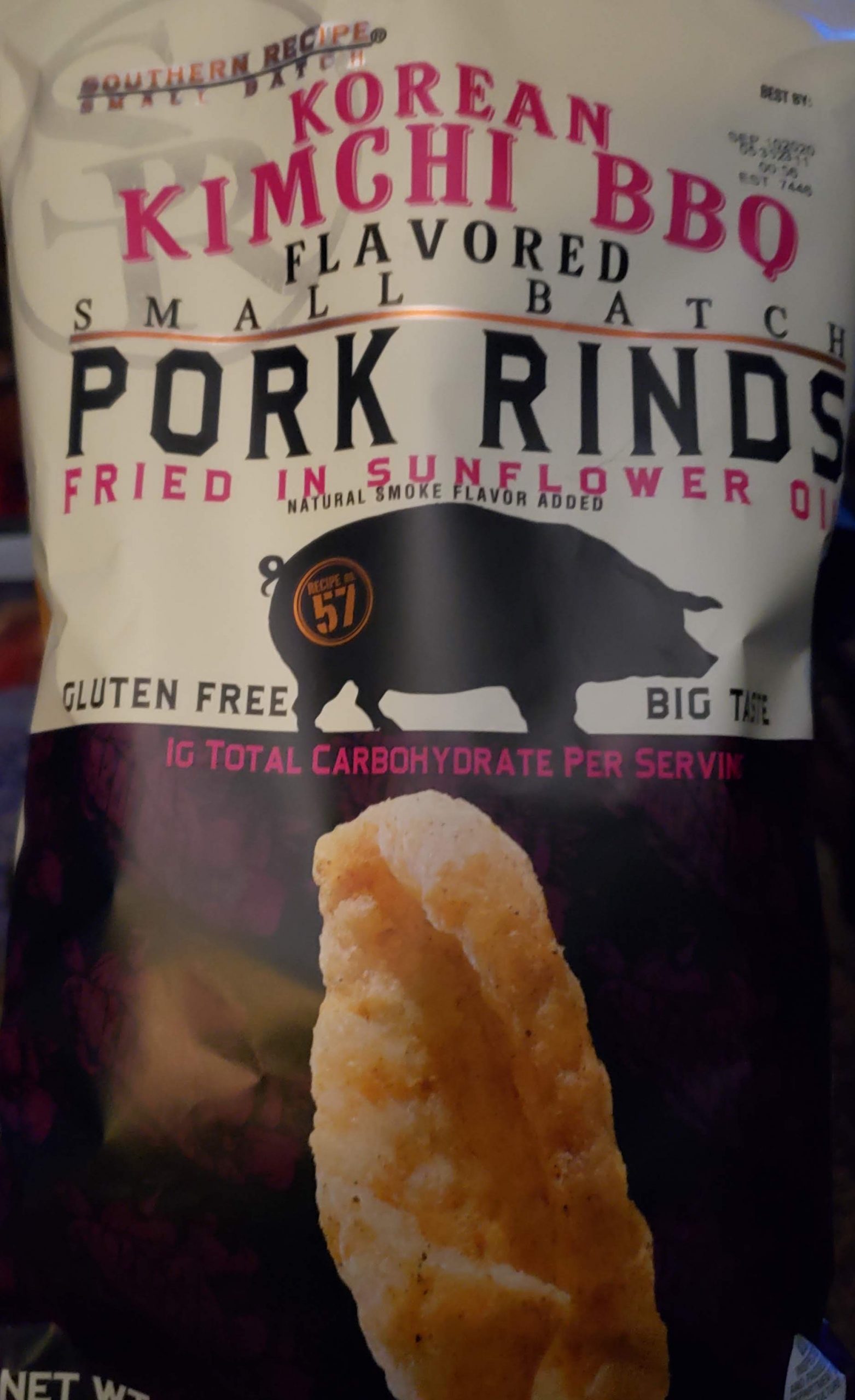
If someone had offered me Dominican chicharrón, Brazilian torresmo, or Honduran chicharrón when I was a child, I probably wouldn’t have known what I was looking at.
Today, that’s no longer the case.
The South is changing.
The food is changing.
And in many ways, that’s a good thing.
Because of my work, I spend a great deal of time traveling throughout South Carolina, North Carolina, and Georgia. Most days, I’m walking into restaurants of every kind—family diners, barbecue joints, seafood restaurants, and establishments representing cuisines from across the Americas.
What I’ve discovered over the years is that food has a way of crossing boundaries that people sometimes imagine are much larger than they really are.
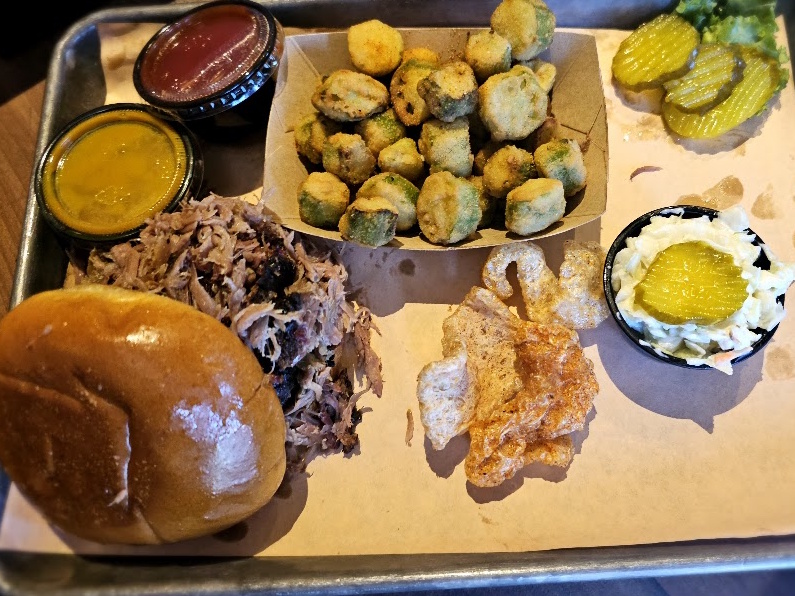
TThe ingredients may vary.
The seasonings may vary.
The traditions may vary.
Yet a plate of Dominican chicharrón can teach a South Carolina boy something about his own food history.
A basket of cracklings can help explain why a Brazilian might love torresmo.
Sometimes the shortest distance between two cultures is a dinner table.
The Table Gets Bigger
When I was a child, I thought our family’s traditions were simply the way things were done.
I thought everybody had a hog named Arnold.
I thought everybody spent Sunday afternoons at their grandparents’ house.
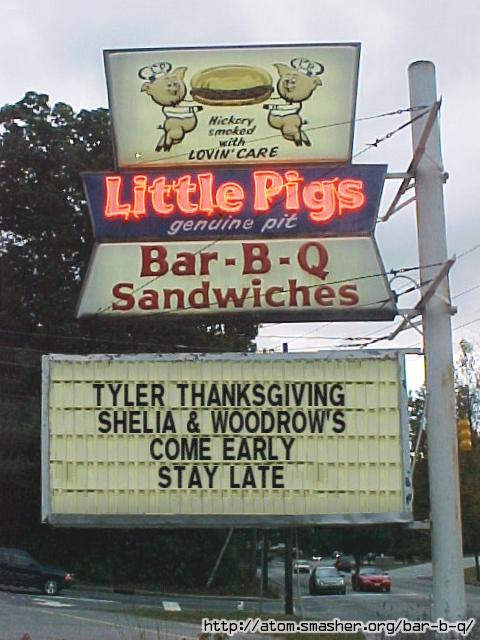
I thought everybody grew up around smokehouses, barbecue pits, crackling bread, and relatives who lived just down the road.
As I got older, I learned that wasn’t true.
Every family has its own traditions.
Every culture has its own foods.
Every community has its own stories.
Yet the more I travel, the more I discover that we often have more in common than we realize.
The names change.
The recipes change.
The languages change.
But the reasons people gather around food remain remarkably similar.
Today, the old gatherings at my grandfather Kemp Tyler’s place belong to memory. Yet the tradition itself survives. New generations gather at the homes of relatives like Sheila and Woodrow Richardson. New stories are told. New children grow up around family tables. New memories are made.
At the same time, the South itself continues to change.
What surprises me is not how different these foods are. Dominican chicharrón. Cuban pork dishes. Brazilian torresmo. Puerto Rican specialties. Honduran favorites. Colombian comfort foods.
What surprises me is not how different these foods are.
It’s how familiar they feel.
Somewhere behind the seasonings and regional variations, I keep finding echoes of the same values I grew up with.
Family.
Community.
Resourcefulness.
Hospitality.
A respect for food and the people who prepare it.
Maybe that’s why a plate of Dominican chicharrón sent me down this rabbit hole in the first place.
I wasn’t just tasting a new dish.
I was recognizing an old idea.
A hog raised with care.
Food prepared with purpose.
People gathered around a table.
A tradition carried forward.
The table simply got bigger.
For later source notes: the South Carolina hog-history claims are supported by SCDNR and the South Carolina Encyclopedia, including Spanish introduction, open-range husbandry, cold-weather hog killing, salting/smoking, and pork’s colonial role. The rice/Georgetown context is also supported by the South Carolina Encyclopedia. (SCDNR)
Testing the comments